
Learn

Release notes, DNS explainers and practical tips. What shipped in DNSense and why it matters, plus the record types, TTL choices and migration steps that decide whether a change goes unnoticed or takes a site down.

View articles
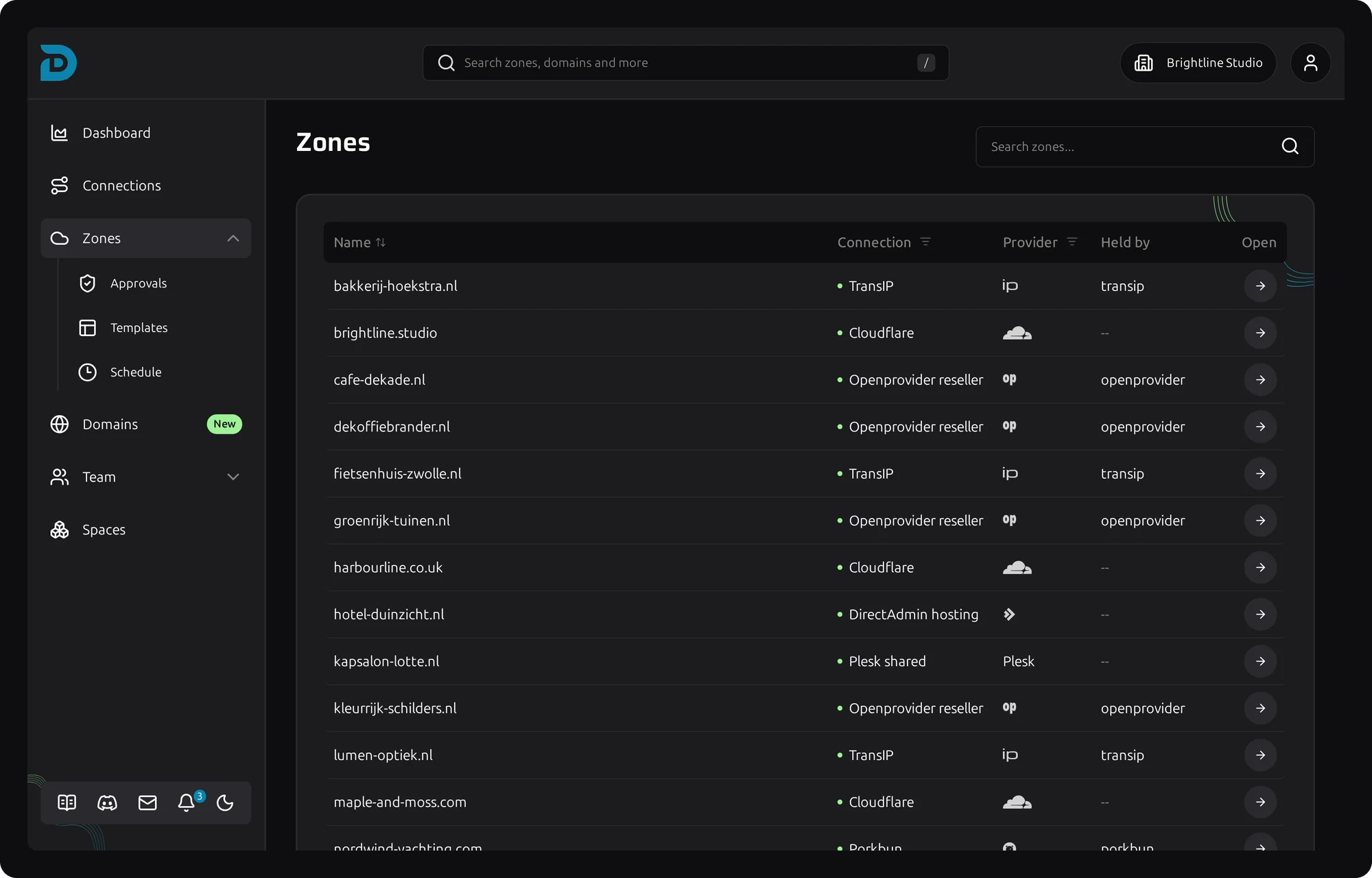
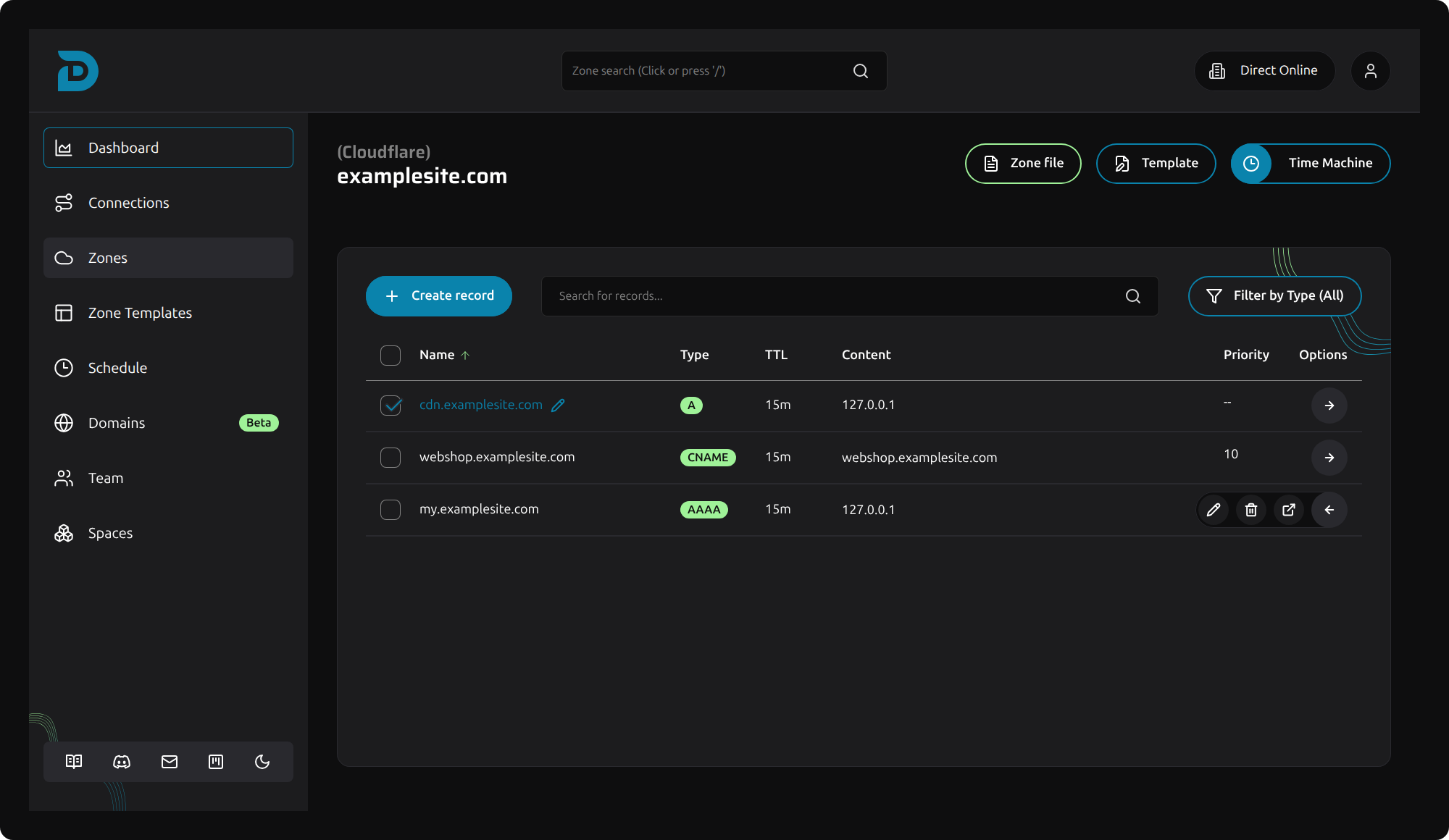
Screenshot of zone edit overview

Filter articles

36 results
DNS basics
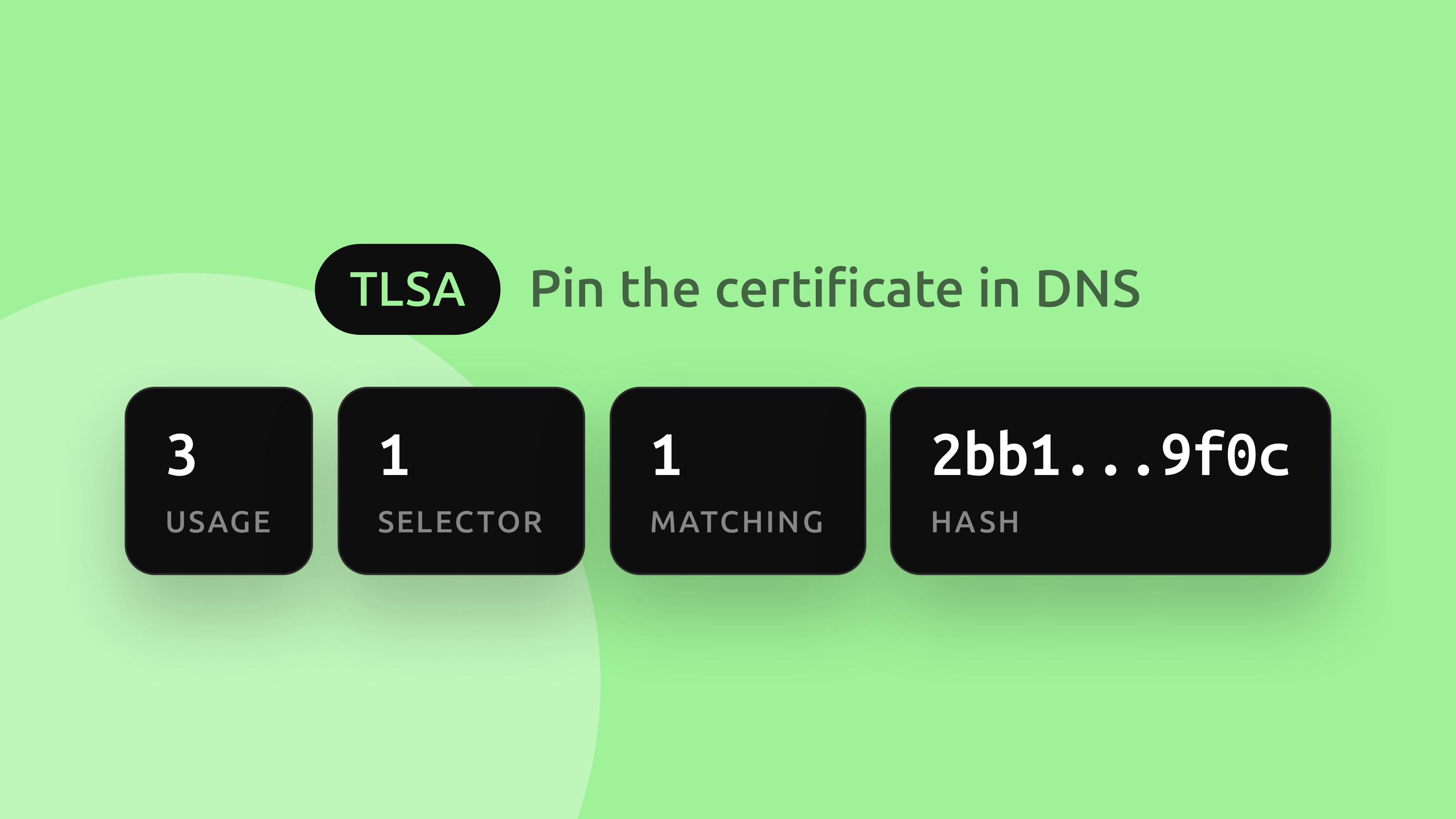
DNSense guide cover: a TLSA record with usage, selector, matching type and a certificate hash

TLSA record explained: DANE and DNSSEC

TLSA records pin a server's certificate in DNS, which is what DANE uses. What the three numbers mean, why you need DNSSEC, and how to add one.

Dennis Postma23 September 2026
Guides
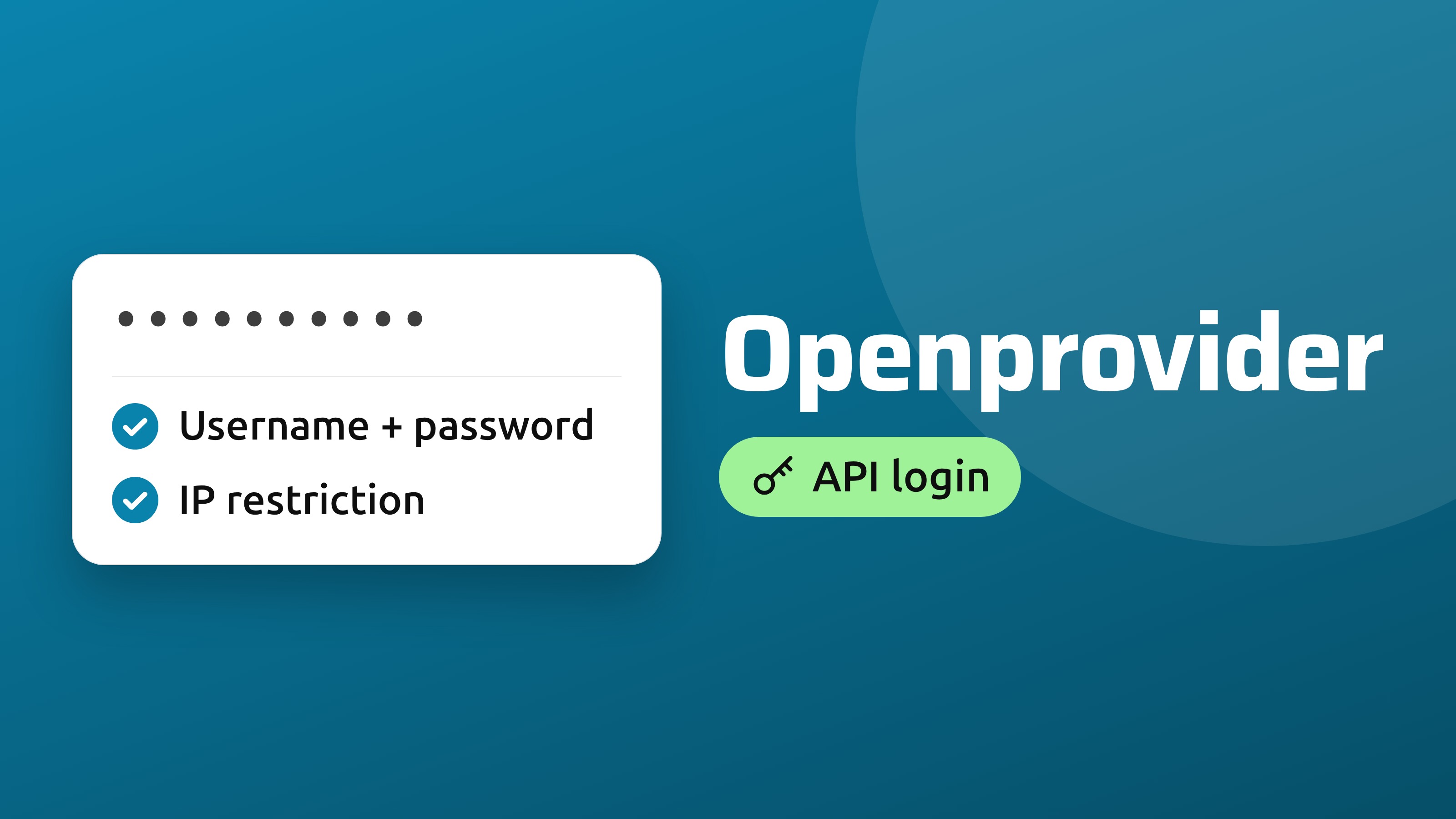
DNSense guide cover: Openprovider API login with username, password and IP restriction

How to connect Openprovider to DNSense

Openprovider has no API key. DNSense signs in with your API username and password. Here is which account to use and how to lock it down.

Dennis Postma10 September 2026
DNS basics
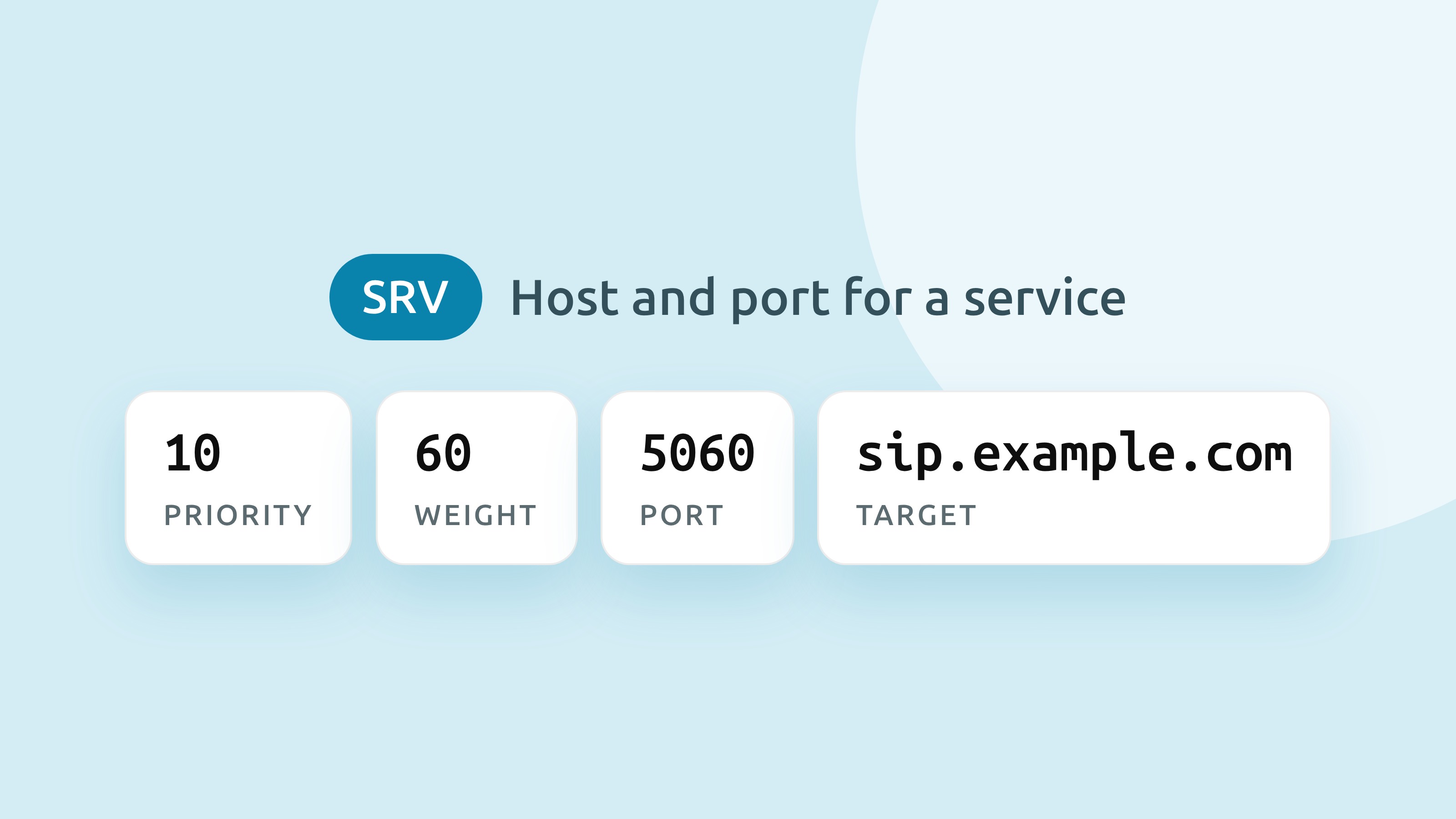
DNSense guide cover: an SRV record for a SIP service with priority, weight, port and target

SRV record explained: host, port and priority

SRV records tell clients which host and port provide a service. Read the fields, understand priority and weight, and add one without guessing the name format.

Dennis Postma5 August 2026
Guides
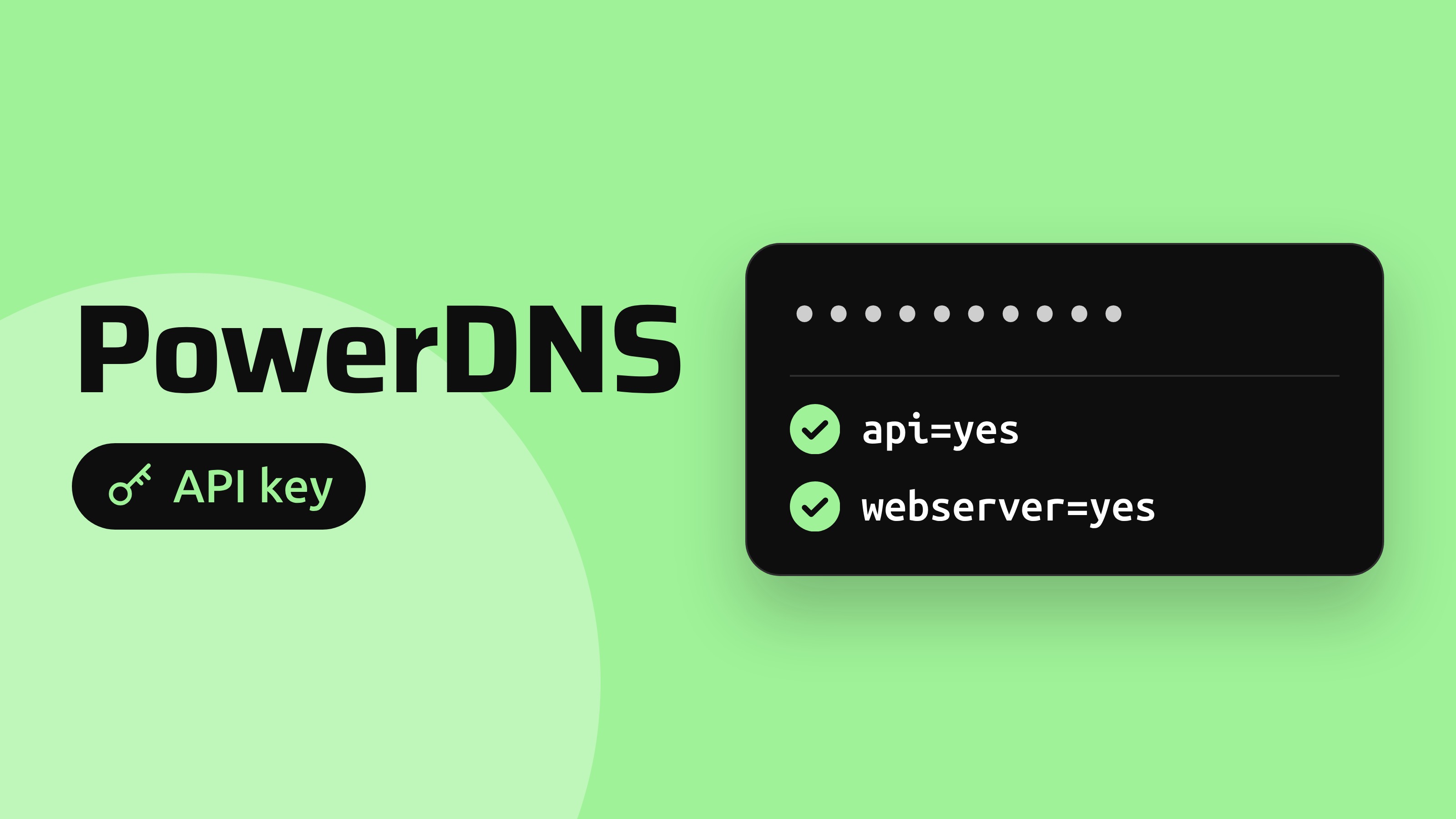
DNSense guide cover: a PowerDNS API key configured in pdns.conf

How to get a PowerDNS API key

Enable the PowerDNS webserver and HTTP API, set an api-key in pdns.conf and connect the server to DNSense.

Dennis Postma29 July 2026
Guides
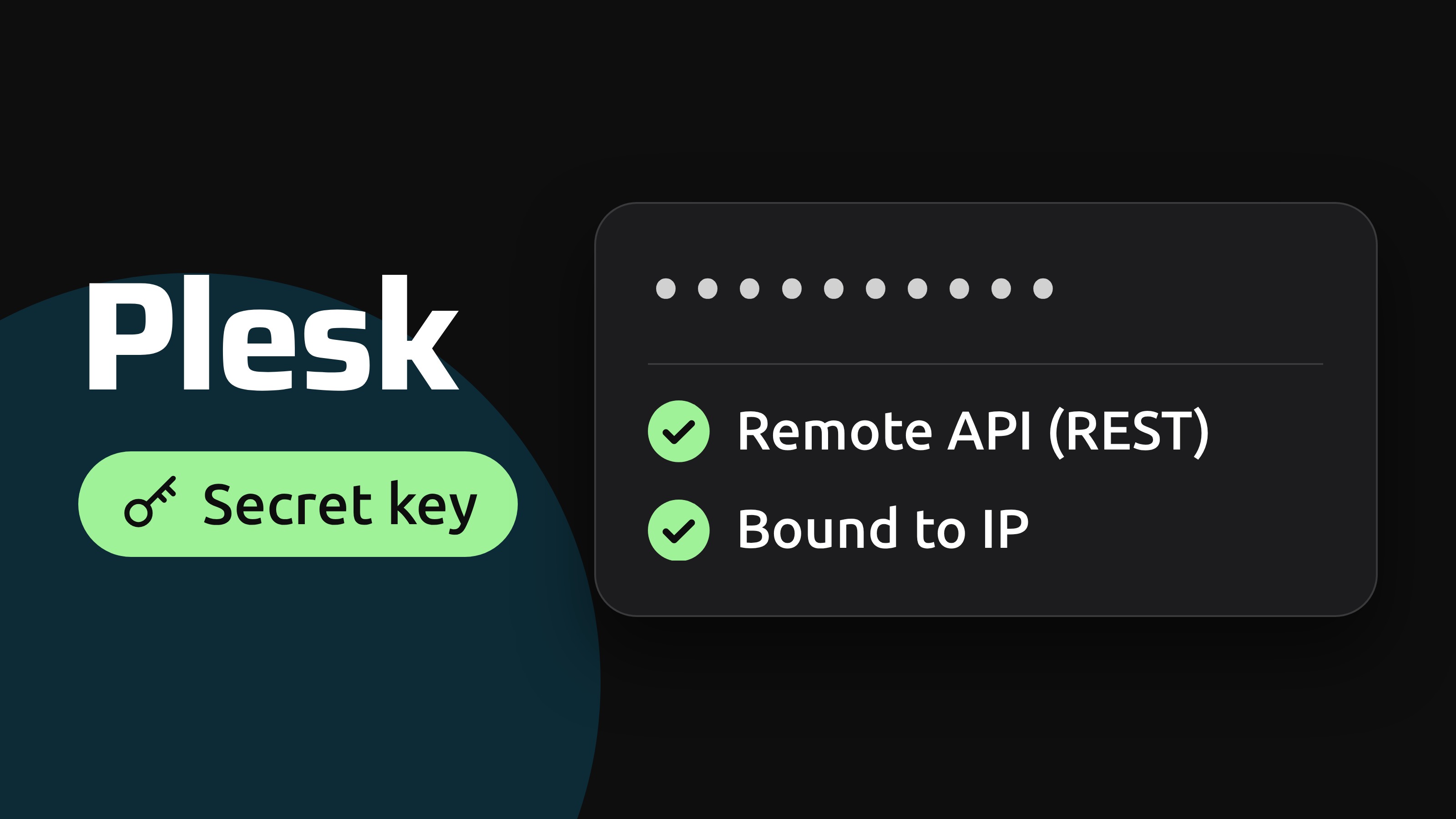
DNSense guide cover: a Plesk REST API secret key bound to an IP address

How to get a Plesk API key

Generate a Plesk REST API secret key with the CLI or the REST API, bind it to the right IP address and connect it to DNSense.

Dennis Postma2 July 2026
DNS basics
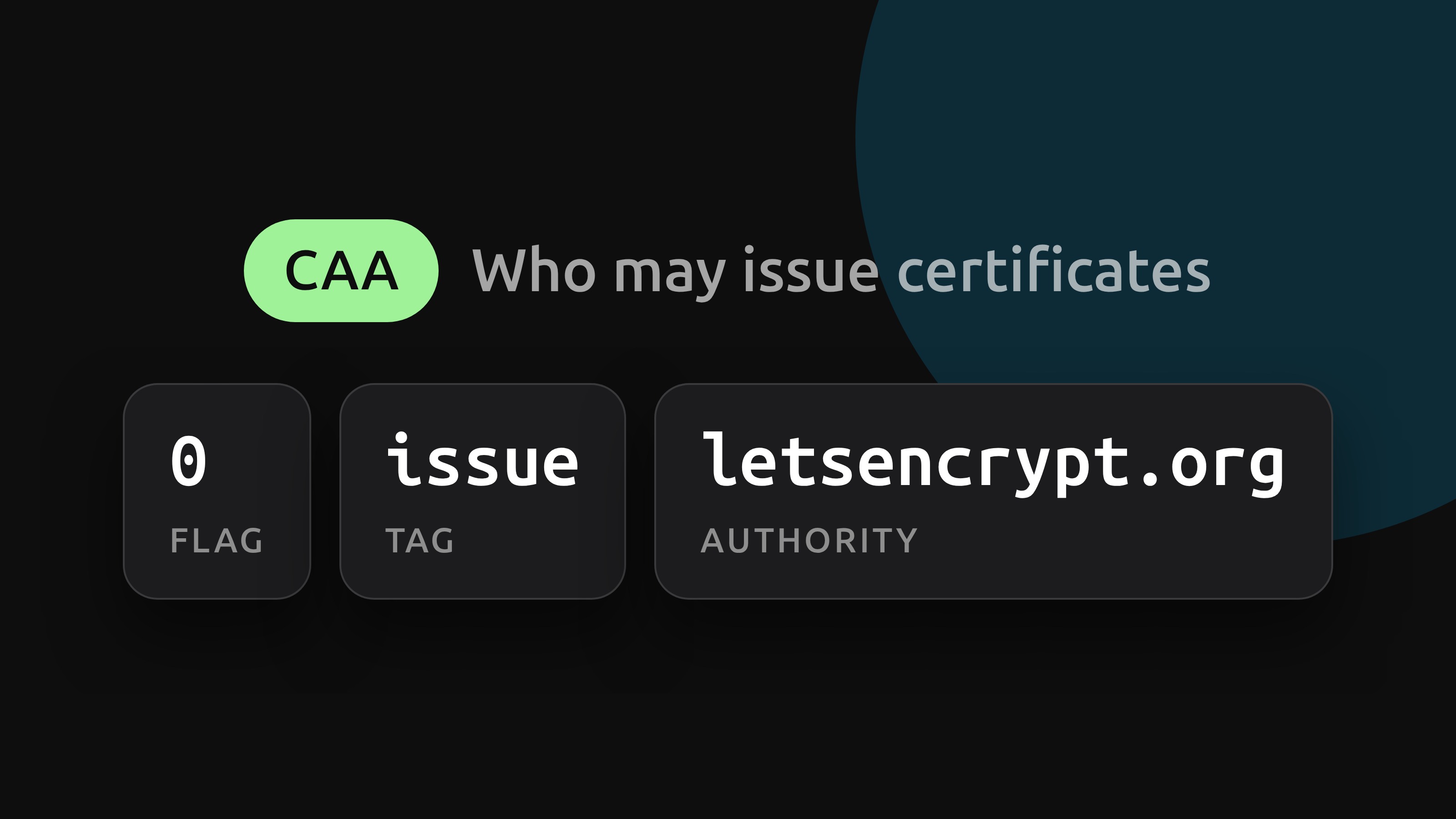
DNSense guide cover: a CAA record allowing only Let's Encrypt to issue certificates

CAA record explained: who may issue certificates

CAA records limit which certificate authorities may issue certificates for your domain. The syntax, the tags, and how to add one without blocking renewals.

Dennis Postma24 June 2026
Guides
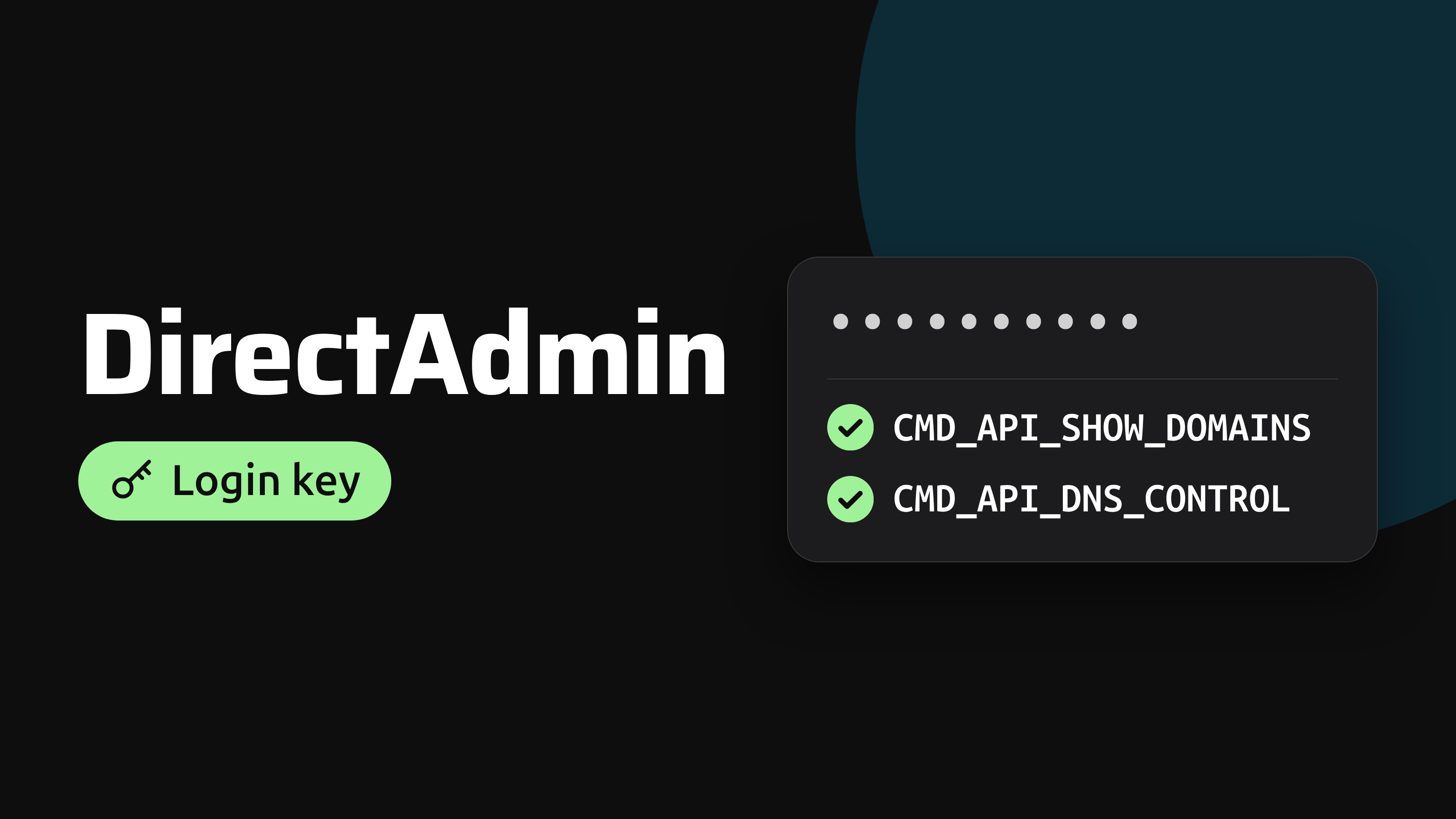
DNSense guide cover: a DirectAdmin login key limited to DNS commands

How to get a DirectAdmin login key

Create a restricted DirectAdmin login key for DNS, with the right commands and IP limits, and connect it to DNSense.

Dennis Postma12 June 2026
Guides
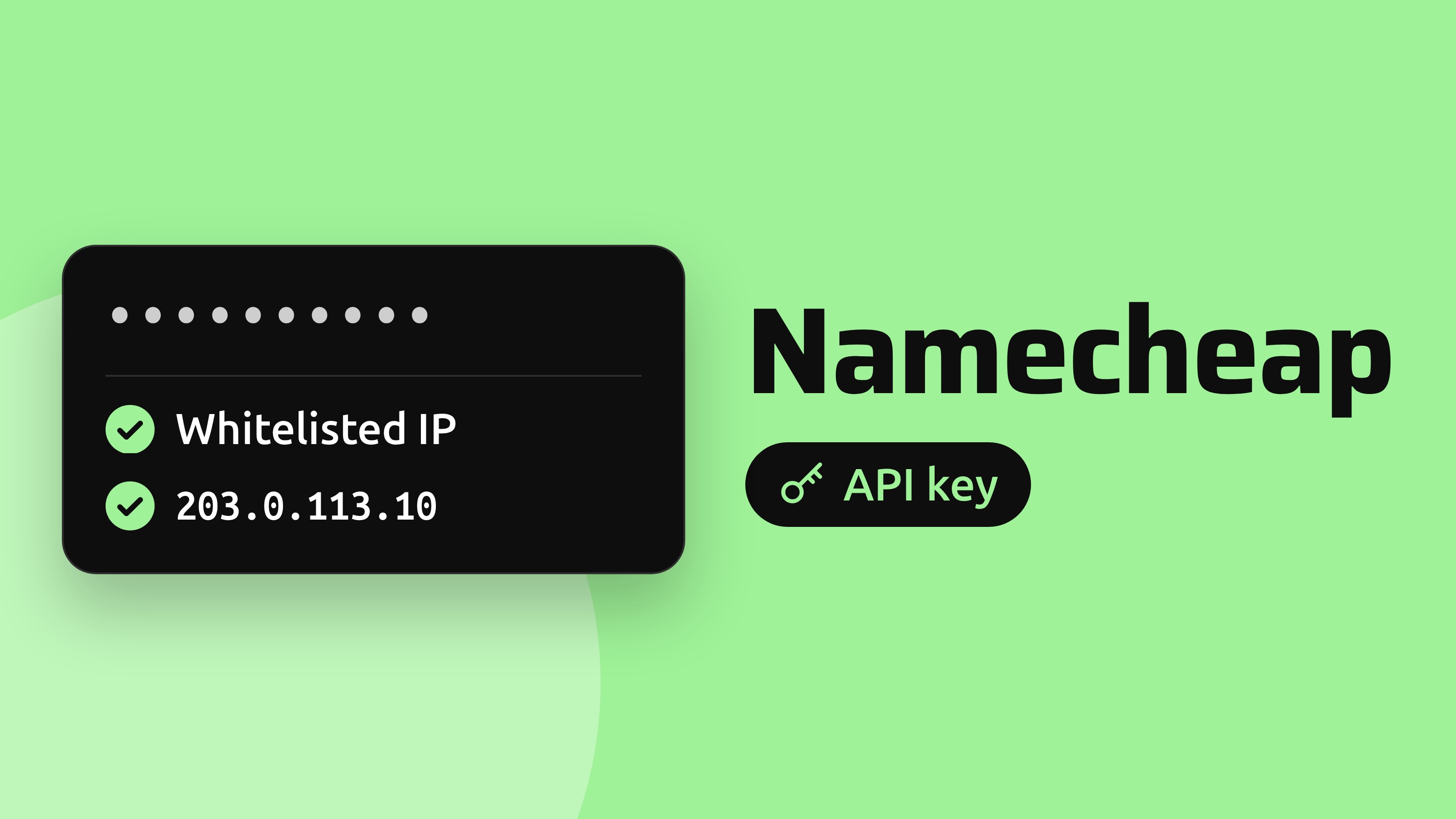
DNSense guide cover: a Namecheap API key tied to a whitelisted IP address

How to get a Namecheap API key

Enable Namecheap API access, whitelist an IPv4 address and connect the key to DNSense. Includes the eligibility rules.

Dennis Postma21 May 2026
DNS basics
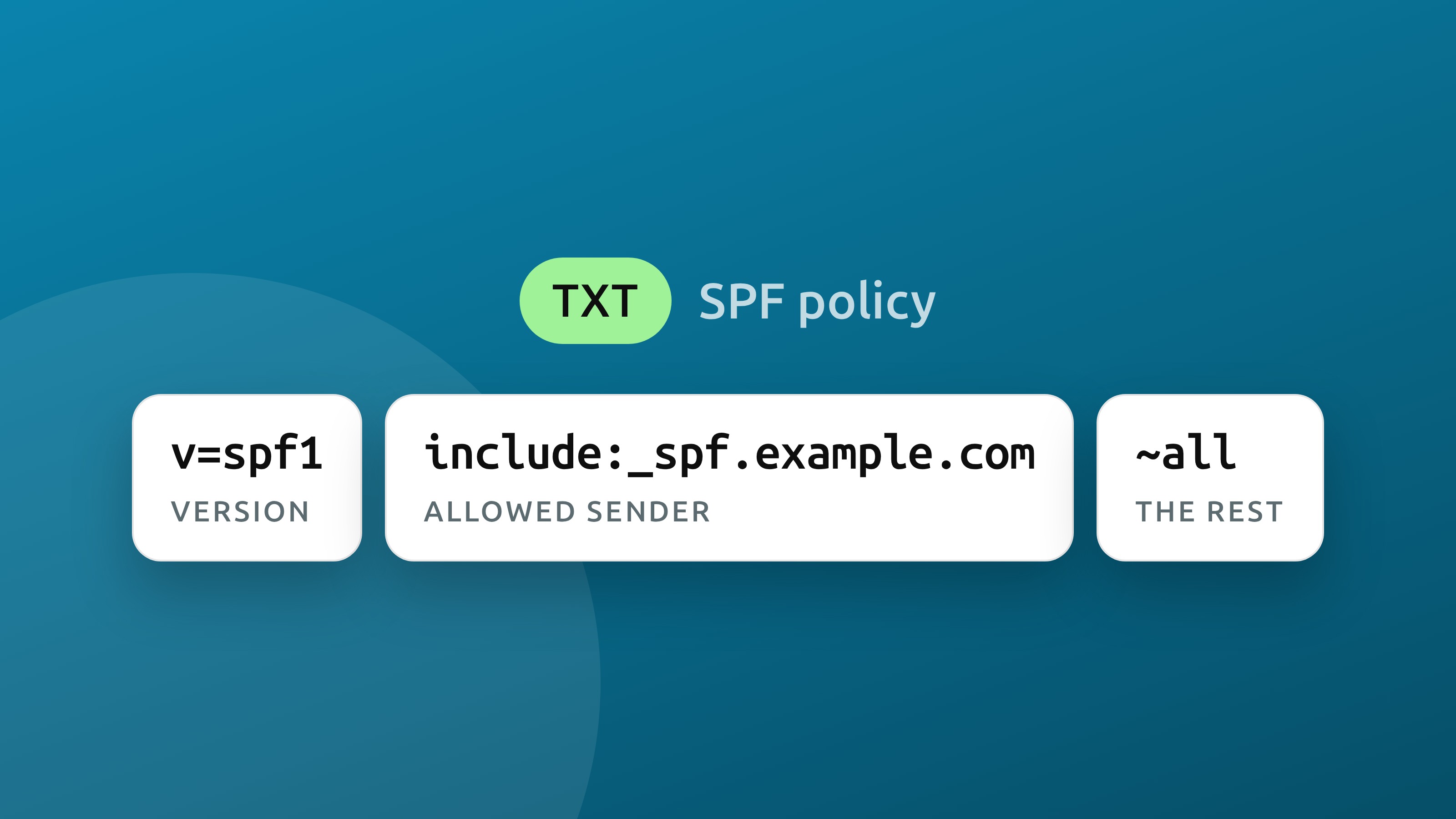
DNSense guide cover: a TXT record holding an SPF policy

TXT record explained: SPF, DKIM and DMARC

TXT records hold free text, and in practice SPF, DKIM, DMARC and domain verification. What goes where, the length limit and the one-SPF-record rule.

Dennis Postma7 May 2026
Guides
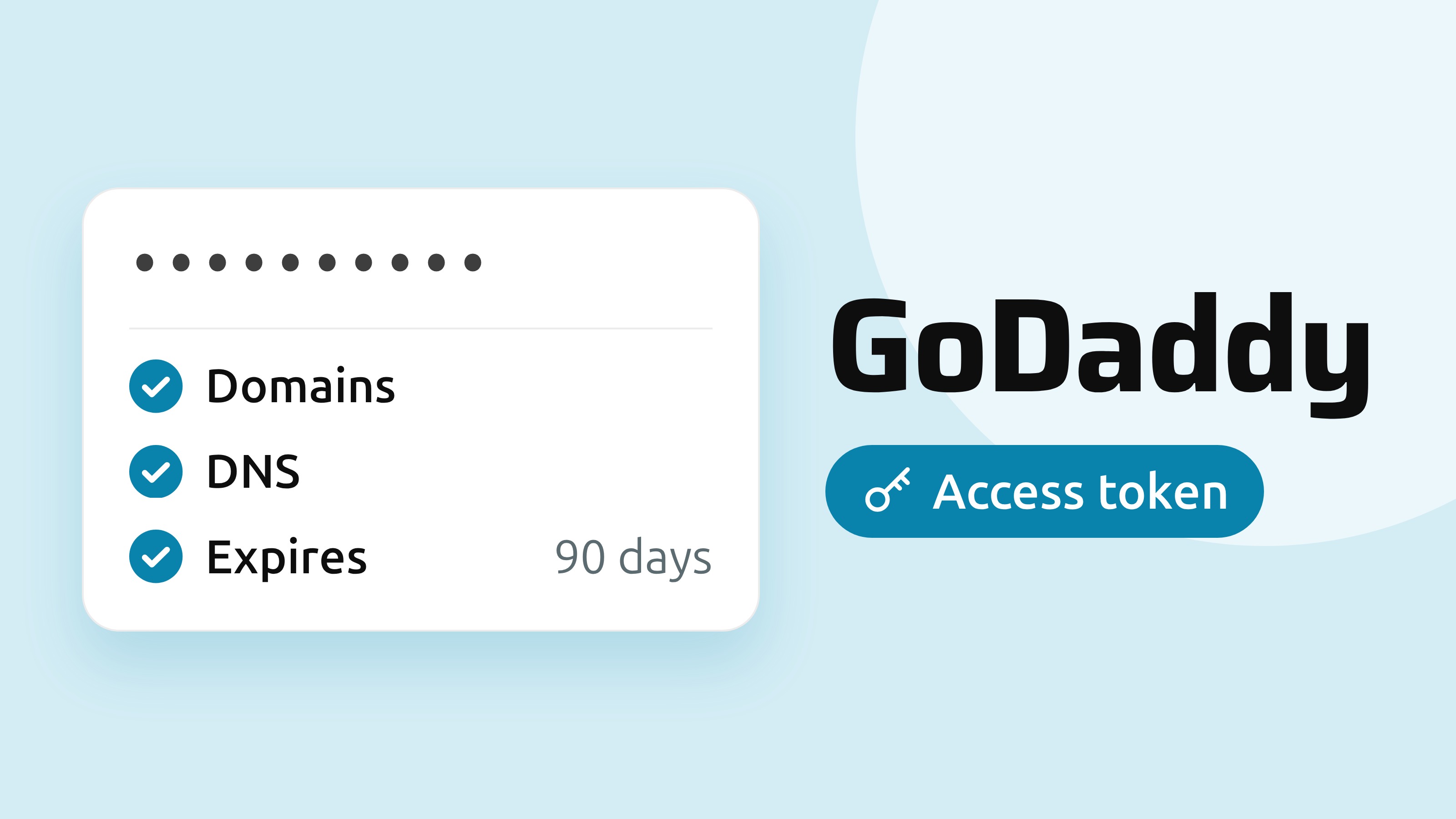
DNSense guide cover: a GoDaddy personal access token for Domains and DNS

How to get a GoDaddy API token

Generate a GoDaddy personal access token for Domains and DNS, understand why it can return 403, and connect it to DNSense.

Dennis Postma30 April 2026
Guides
DNSense guide cover: an AWS access key ID for Route 53

How to get AWS Route 53 access keys

Create a dedicated IAM user for DNSense, attach the Route 53 policies and generate an access key and secret.

Dennis Postma8 April 2026
DNS basics
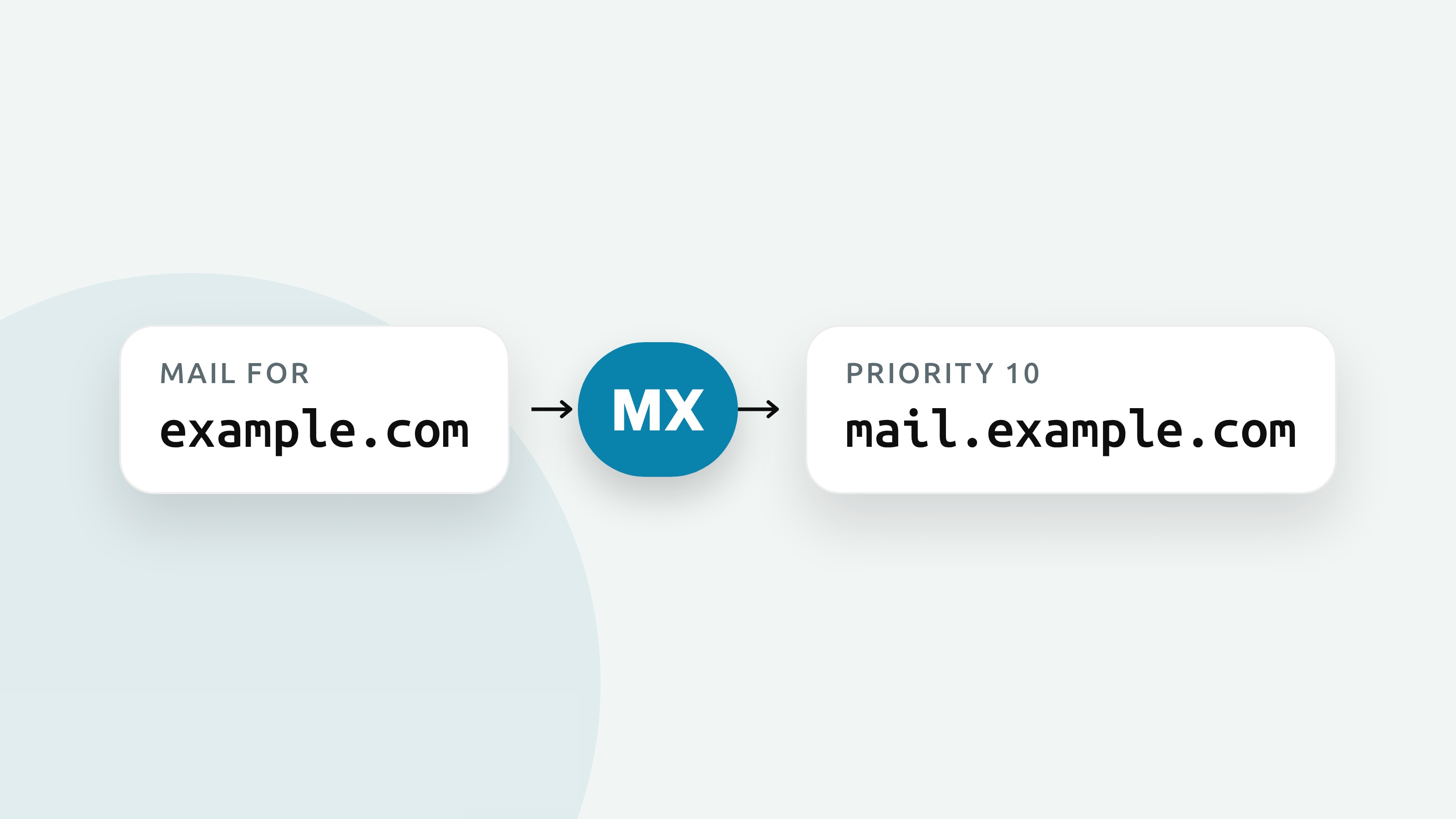
DNSense guide cover: an MX record with priority 10 pointing to a mail server

MX record explained: priority and backup servers

MX records tell the world where to deliver your email. How priority works, how to set up a backup server, and the mistakes that make mail bounce.

Dennis Postma2 April 2026

New to DNS? Start with what DNS is, then read about the record types you will use most: A, CNAME and MX. Planning a migration? How long DNS changes take explains why the old TTL decides the wait.

Connecting a provider? The step-by-step guides show where to create the API key at Cloudflare, TransIP, Openprovider and more. Release notes list what changed in DNSense and when.